


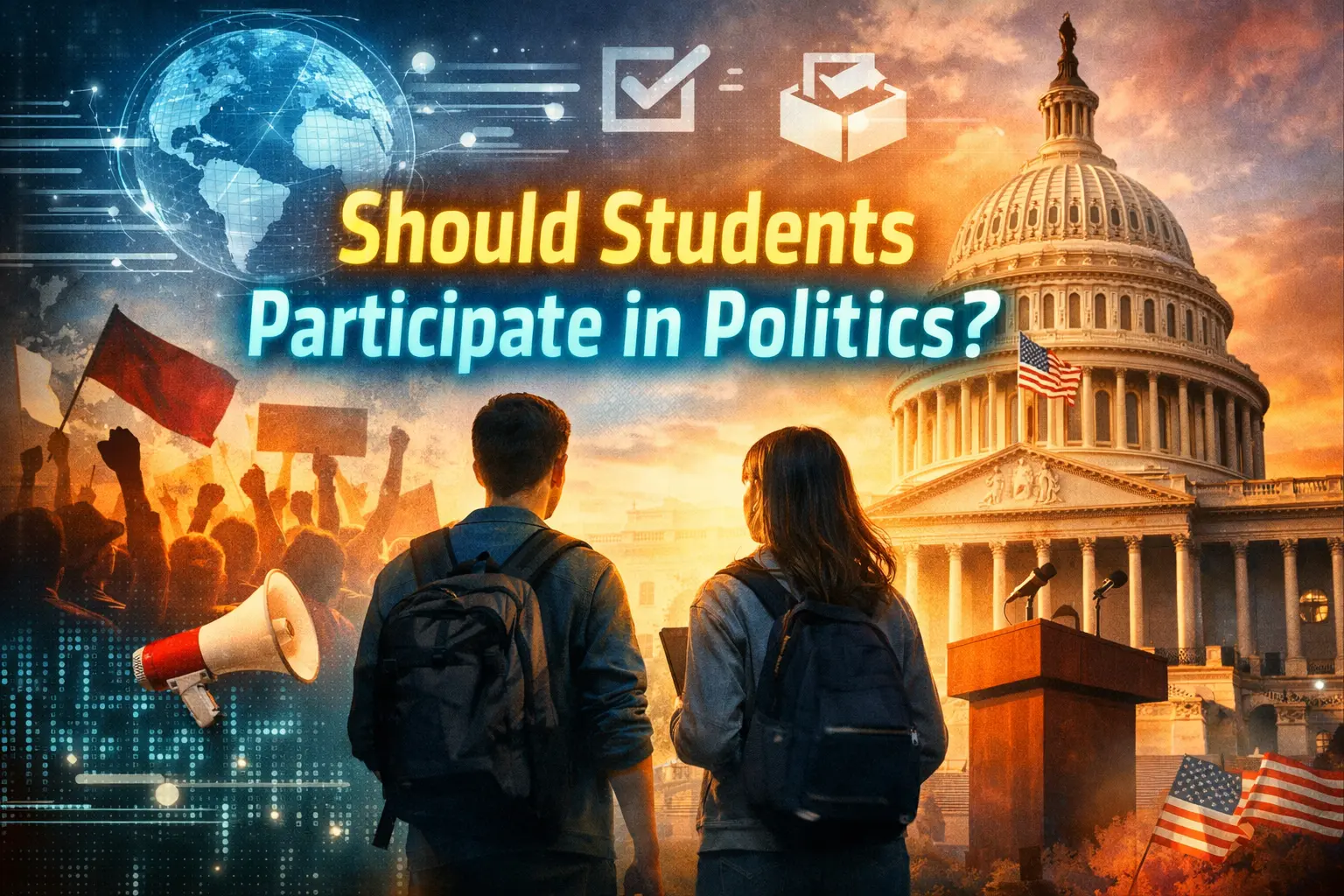
Students today exist in a dynamic political environment where global events, social movements, and technological advances constantly shape civic life. Understanding how political systems operate is no longer optional; it serves as a foundation for responsible citizenship. For students, engagement in politics offers a practical avenue to influence decisions that directly affect their education, career opportunities, and societal future.
The question of whether should students participate in politics remains among the most debated topics in educational and civic discourse. Participation provides more than theoretical knowledge; it cultivates critical thinking, leadership skills, and an awareness of societal structures. It ensures that students are not passive observers but active contributors to the shaping of policies that impact their communities.
In modern contexts, where social media amplifies voices and political movements can emerge rapidly, students have unprecedented opportunities to engage. This engagement strengthens democratic processes and fosters a generation capable of informed decision-making. However, navigating these spaces responsibly demands guidance, discernment, and strategic participation to avoid misinformation and polarization.
Looking forward, ongoing challenges persist regarding student participation in politics, including institutional barriers, lack of awareness, and societal skepticism. Ensuring meaningful engagement requires systemic support, educational initiatives, and an emphasis on ethical, informed involvement. Students who navigate these challenges successfully position themselves as influential citizens in a rapidly evolving political landscape.
Understand the Importance of Political Engagement for Students
Developing Civic Awareness
Students must recognize that political participation serves as a critical tool for understanding societal dynamics. Engaging in debates, attending forums, and following policy developments enhances their awareness of local, national, and global issues. This knowledge strengthens their ability to evaluate decisions, identify opportunities for intervention, and contribute meaningfully to community discussions.
Fostering Critical Thinking
Political involvement demands analytical skills and careful evaluation of information. Individuals should examine multiple perspectives, assess policy impacts, and weigh ethical considerations. Strengthening critical thinking ensures that students do not accept narratives at face value and encourages evidence-based reasoning.
Enhancing Leadership Skills
Participating in politics enables students to assume leadership roles in organizations, student councils, or advocacy groups. Leadership in political contexts strengthens communication, negotiation, and organizational skills, which remain transferable across professional and civic domains.
Essential tools for political awareness:
- Regularly follow credible news and policy platforms
- Participate in structured debates or civic workshops
- Engage in online forums with respectful discourse
Encourage Responsible Student Voting and Advocacy
Understanding Voting Rights
Every student needs to comprehend the legal framework surrounding their voting rights. Awareness of registration procedures, eligibility criteria, and election timelines ensures that students can exercise their rights effectively and responsibly.
Engaging in Policy Advocacy
Students should engage in policy discussions to advocate for changes that affect education, employment, and social welfare. Structured campaigns, petitions, and organized forums amplify their voices in measurable ways.
Balancing Advocacy with Academic Commitments
Effective political engagement demands time management. Users must structure participation around academic responsibilities to maintain performance while remaining politically active.
Key practices for responsible advocacy:
- Track legislative updates and policy changes
- Collaborate with student organizations for collective impact
- Utilize digital platforms for awareness campaigns
Promote Ethical Conduct in Student Politics
Maintaining Integrity
Students should adhere to ethical standards in political engagement, avoiding manipulation, misinformation, or personal gain motives. Ethical conduct strengthens credibility and ensures lasting influence.
Respecting Diverse Opinions
Individuals must acknowledge differing perspectives, fostering dialogue instead of conflict. Respectful interaction enhances mutual understanding and productive collaboration.
Preventing Burnout
Sustained participation requires managing stress and workload. Establishing clear boundaries and support networks ensures long-term engagement without compromising personal well-being.
Safety measures for ethical engagement:
- Verify information before sharing publicly
- Avoid participation in aggressive or unlawful activities
- Prioritize mental health alongside political commitments
Integrate Technology in Student Political Participation
Leveraging Social Media Strategically
Students need to use social media as a tool for awareness rather than a platform for conflict. Strategic content sharing, fact-checking, and engagement with credible voices strengthen their influence.
Digital Civic Tools
Technological platforms allow tracking legislation, submitting feedback, and participating in e-petitions. Users must adopt these tools to stay informed and involved in real-time policy discussions.
Analyzing Online Impact
Individuals should assess how digital actions translate into tangible outcomes. Understanding digital reach versus real-world influence ensures targeted and effective participation.
Essential digital tools:
- Civic engagement apps for petitions and feedback
- Verified news aggregators for political updates
- Online discussion forums moderated for accuracy
Develop Long-Term Civic Habits
Consistency in Engagement
Political participation should not be episodic. Students must cultivate ongoing habits of monitoring policies, attending forums, and contributing to discussions. Consistency strengthens civic identity and influence.
Mentorship and Networking
Collaborating with experienced mentors and peer networks enhances understanding of political processes. Networking provides guidance, resources, and support for effective participation.
Reflective Practice
Regular evaluation of actions and their outcomes ensures continuous improvement. Individuals should reflect on achievements and shortcomings to refine strategies for future engagement.
Key practices for sustained impact:
- Maintain a civic calendar for events and deadlines
- Join student councils or advocacy groups
- Review participation outcomes quarterly
FAQs about should students participate in politics
Q1: Can students influence political decisions without voting?
Yes, students can engage through advocacy, policy discussions, volunteering, and awareness campaigns, all of which contribute to measurable impact.
Q2: How can students balance studies with political involvement?
By setting clear priorities, creating structured schedules, and limiting engagement to manageable commitments, students can maintain academic performance while participating effectively.
Q3: What ethical standards should students follow in politics?
Students should ensure honesty, transparency, respect for opposing views, avoidance of misinformation, and commitment to lawful participation.
Q4: Are online platforms effective for student political engagement?
Yes, when used strategically, digital platforms amplify voices, facilitate civic feedback, and provide access to resources while requiring careful verification of information.
Q5: What long-term benefits arise from political participation as a student?
Participation develops leadership, critical thinking, civic responsibility, networking skills, and informed decision-making that benefits future careers and societal influence.
Students should participate in politics to enhance civic awareness, foster critical thinking, strengthen leadership, practice ethical engagement, leverage technology, and develop long-term civic habits, ensuring their informed, responsible, and influential role in society while unlocking the benefits of active citizenship and personal empowerment.

